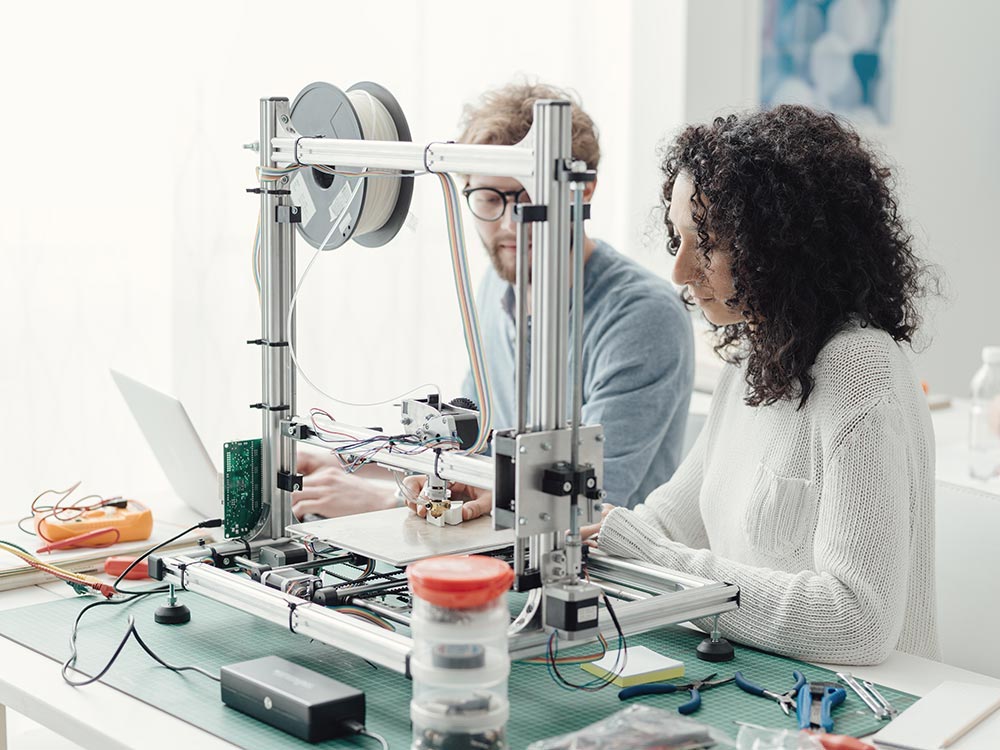
Why Speed Matters in Innovation
In the world of innovation, time can be your best friend or your biggest enemy. The faster you can transform an idea into a tangible prototype, the quicker you can test assumptions, identify flaws, and gather feedback. Rapid prototyping isn’t just about moving fast—it’s about creating a continuous feedback loop where each iteration brings you closer to a design that truly works. Speed isn’t reckless here; it’s purposeful, cutting down wasted time and unlocking breakthroughs that traditional slow design cycles rarely achieve.
Learning by Making
Sketches, CAD models, and simulations are helpful, but nothing compares to holding a physical prototype in your hands. It brings abstract ideas into reality, revealing issues you wouldn’t see on a screen. Whether it’s a simple foam mock-up or a 3D-printed component, prototyping helps teams learn by doing. This hands-on process creates deeper insights, because flaws aren’t hypothetical—they’re real, visible, and fixable.
Failing Smarter, Not Harder
Failure is inevitable in design. The real question is whether you fail late—when it’s costly—or fail early—when it’s manageable. Rapid prototyping embraces early failure as a key to smarter progress. A quickly built prototype that breaks teaches more than weeks of polished design work that hides its flaws until it’s too late. Each failure is a stepping stone, giving teams the data and confidence they need to refine and improve.
Collaboration at Its Core
Prototypes act like universal translators. Engineers, designers, marketers, and even end-users can rally around a prototype, because it turns abstract discussions into something concrete. This shared artifact sparks collaboration and alignment across disciplines. When everyone can see and touch the work-in-progress, conversations move from “what if” to “what’s next,” creating momentum that keeps projects moving forward.
Tools That Empower
Technology has supercharged the possibilities of rapid prototyping. From affordable 3D printers and laser cutters to powerful simulation software, teams now have access to tools that dramatically reduce the gap between idea and object. The accessibility of these tools levels the playing field, making innovation possible for startups and small teams, not just big corporations with deep pockets. What once took months and huge budgets can now be explored in days.
From Prototype to Product
The end goal of prototyping isn’t the prototype itself—it’s the product that comes after. Prototypes serve as stepping stones, each one a snapshot of learning and refinement. By the time the final product emerges, it has been tested, validated, and reshaped countless times. This journey from rough sketches to polished outcomes ensures that what reaches users isn’t just functional but thoughtfully designed with their needs at the center.
The Rule That Matters Most
If there’s one golden rule of rapid prototyping, it’s this: don’t wait. Build early, test often, and let the process guide you. The sooner an idea takes shape, the sooner it can grow into something real. Innovation doesn’t live in the perfect plan—it lives in the messy, hands-on act of making, breaking, and remaking until something remarkable takes flight.